
As an experienced professional applying for a senior management position, you may possess the required academic qualifications, technical expertise and years of industry experience, yet struggle to demonstrate suitability for the broader responsibilities attached to the appointment.
The difficulty often arises when candidates present their experience primarily as a record of completed duties rather than evidence of professional judgement, leadership and organisational contribution.
Understand What the Next Position Requires
Before applying for a management or executive role, examine how its responsibilities differ from those of your current position. A departmental manager may be expected to supervise employees, allocate resources, manage performance and implement organisational priorities. An executive appointment may additionally require responsibility for strategy, financial performance, governance and stakeholder relationships.
The exact requirements depend on the organisation, sector and position. Candidates should therefore assess their experience against the specific job description rather than relying on seniority or professional qualifications alone.
Demonstrate Your Contribution Beyond Routine Duties
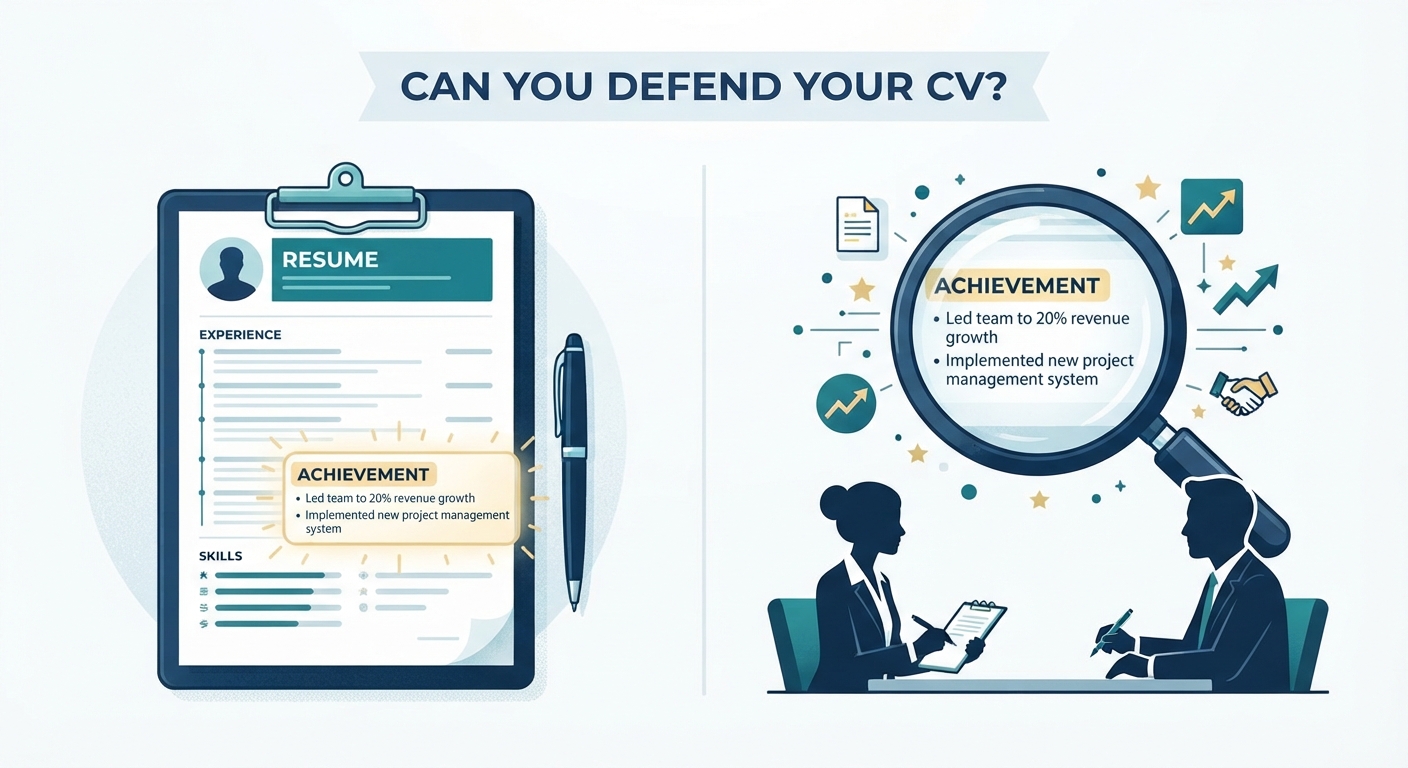
A senior-level CV should help an employer understand the scope and significance of the responsibilities you have handled.
For example, an operations professional who lists responsibility for daily departmental activities provides limited information about their management capability. Explaining how they identified operational problems, coordinated employees, improved procedures and monitored departmental performance gives the employer a clearer basis for assessment.
Use measurable achievements where reliable records are available. Where figures cannot be disclosed or verified, describe the problem, your contribution and the resulting improvement accurately without inventing statistics.
Build Leadership Experience Before Applying
Professionals seeking their first management appointment can develop relevant experience by leading projects, coordinating colleagues, mentoring junior employees and participating in cross-departmental assignments.
Existing managers aspiring to executive positions should seek appropriate exposure to strategic planning, budgeting, risk management and decisions affecting the wider organisation.
Discuss these development opportunities with your employer and establish clear expectations for reviewing your progress. Additional responsibilities should also prompt a conversation about appropriate recognition and career development.
Prepare for a Different Kind of Interview
Management interviews may examine how candidates resolve disagreements, handle underperformance, prioritise limited resources and make difficult decisions. Executive interviews may additionally explore strategic judgement, institutional accountability and the ability to lead through uncertainty.
Prepare relevant examples from your experience. Explain the circumstances, alternatives considered, decisions made and outcomes achieved. Where a decision produced an undesirable result, demonstrate what you learned and how that experience informed subsequent decisions.
Career advancement requires more than accumulating experience. It requires understanding the responsibilities of the next position, deliberately developing the relevant capabilities and communicating evidence of your readiness.
Eagle HR Consultants provides Recruitment and Executive Search, Psychometric Assessment and Leadership Development services to support informed appointment and talent development decisions.
Professionals seeking new career opportunities can explore available positions through our website.