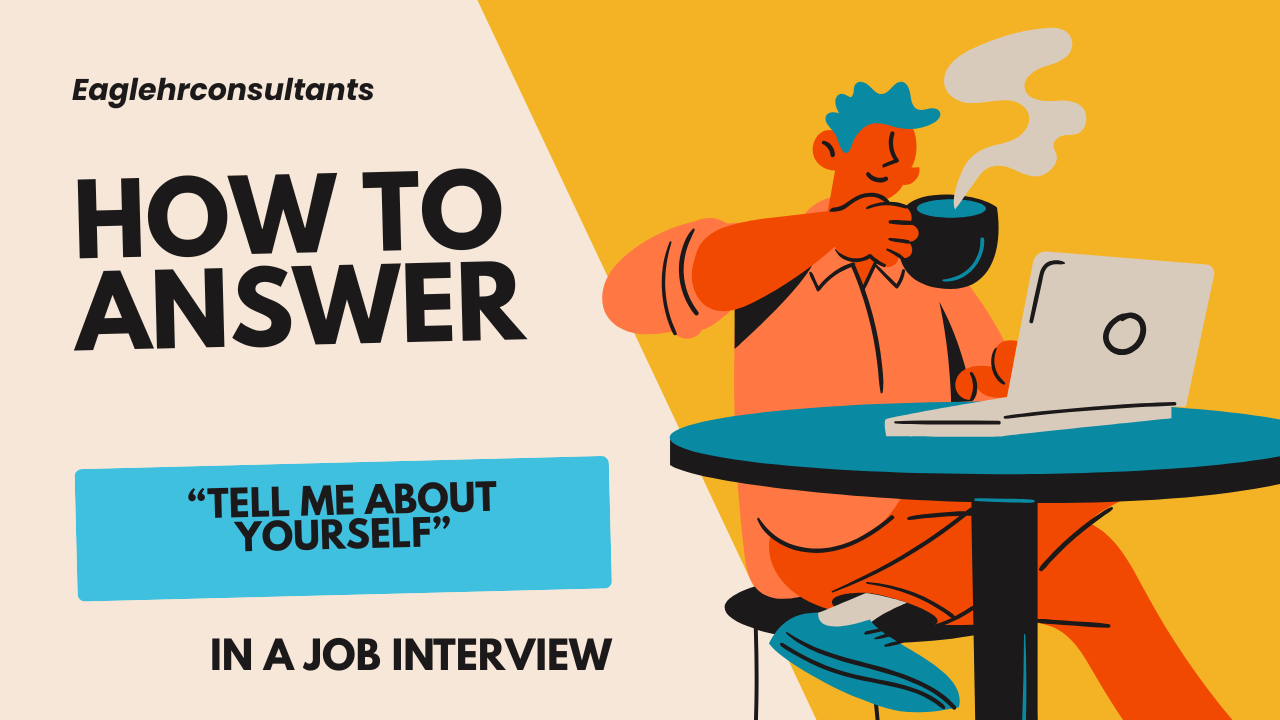
One of the most common and often most dreaded questions in job interviews is: “Tell me about yourself.” At first glance, it seems simple—you know yourself, right?—but without structure, it’s easy to ramble or miss what the interviewer is really listening for.
The truth is, this question is not an invitation to share your life story. It is a strategic opening. Employers use it to assess your communication skills, confidence, career direction, and how well your background aligns with the role.
1. Understand What the Interviewer Really Wants
When an interviewer asks this question, they are typically looking for:
A brief professional summary
Relevant experience connected to the role
Key achievements or strengths
A clear career direction
They are not asking about your childhood, hobbies (unless relevant), or personal background unless it directly connects to your professional journey.
2. Use a Simple Structure: Present – Past – Future
A strong response follows a clear structure:
Present
Start with your current role or most recent experience.
What are you doing now?
What are your main responsibilities?
Example:
“I’m currently working as a marketing officer where I manage digital campaigns and client engagement strategies.”
Past
Briefly highlight previous experience that prepared you for this opportunity.
What relevant roles have you held?
What skills did you develop?
Focus only on experience that aligns with the job you’re applying for.
Future
End with why you’re excited about this opportunity.
How does this role fit into your career goals?
Why are you interested in this company?
This shows intentionality and alignment.
3. Keep It Professional and Concise
Your response should ideally last between 60–90 seconds. Long, unstructured answers can lose the interviewer’s attention.
Avoid:
Repeating your entire CV
Sharing overly personal details
Speaking negatively about previous employers
Sounding rehearsed or robotic
Instead, aim for confident, conversational delivery.
4. Tailor Your Answer to the Role
Every interview should have a slightly different version of your answer. Study the job description carefully and emphasize skills and achievements that match the employer’s needs.
If the role requires leadership, highlight leadership experience.
If it requires analytical skills, mention data-driven achievements.
If it’s client-facing, emphasize communication and relationship management.
Relevance is key.
5. Practice — But Don’t Memorize
Preparation builds confidence. Practice your response out loud so it flows naturally. However, avoid memorizing it word-for-word. You want to sound authentic, not scripted.
Record yourself, rehearse with a friend, or refine your summary until it feels natural and impactful.
Sample Response Framework
“I’m a results-driven finance professional with over four years of experience in financial analysis and reporting. In my current role, I oversee budgeting and forecasting processes that have improved cost efficiency by 15%. Previously, I worked in audit where I developed strong analytical and compliance skills. I’m now looking to join an organization where I can contribute to strategic financial planning while continuing to grow professionally.”
Conclusion
“Tell me about yourself” is not a trick question — it’s an opportunity. When answered with structure and clarity, it sets the tone for the rest of the interview.
Instead of fearing it, prepare for it. A confident, focused response can immediately position you as organized, self-aware, and aligned with the role — giving you a strong start before the deeper interview questions begin.